
Creating Treasury Structure in a Decentralised World: What Actually Works | Treasury Careers Podcast
Bringing order to financial chaos requires more than policies and processes.
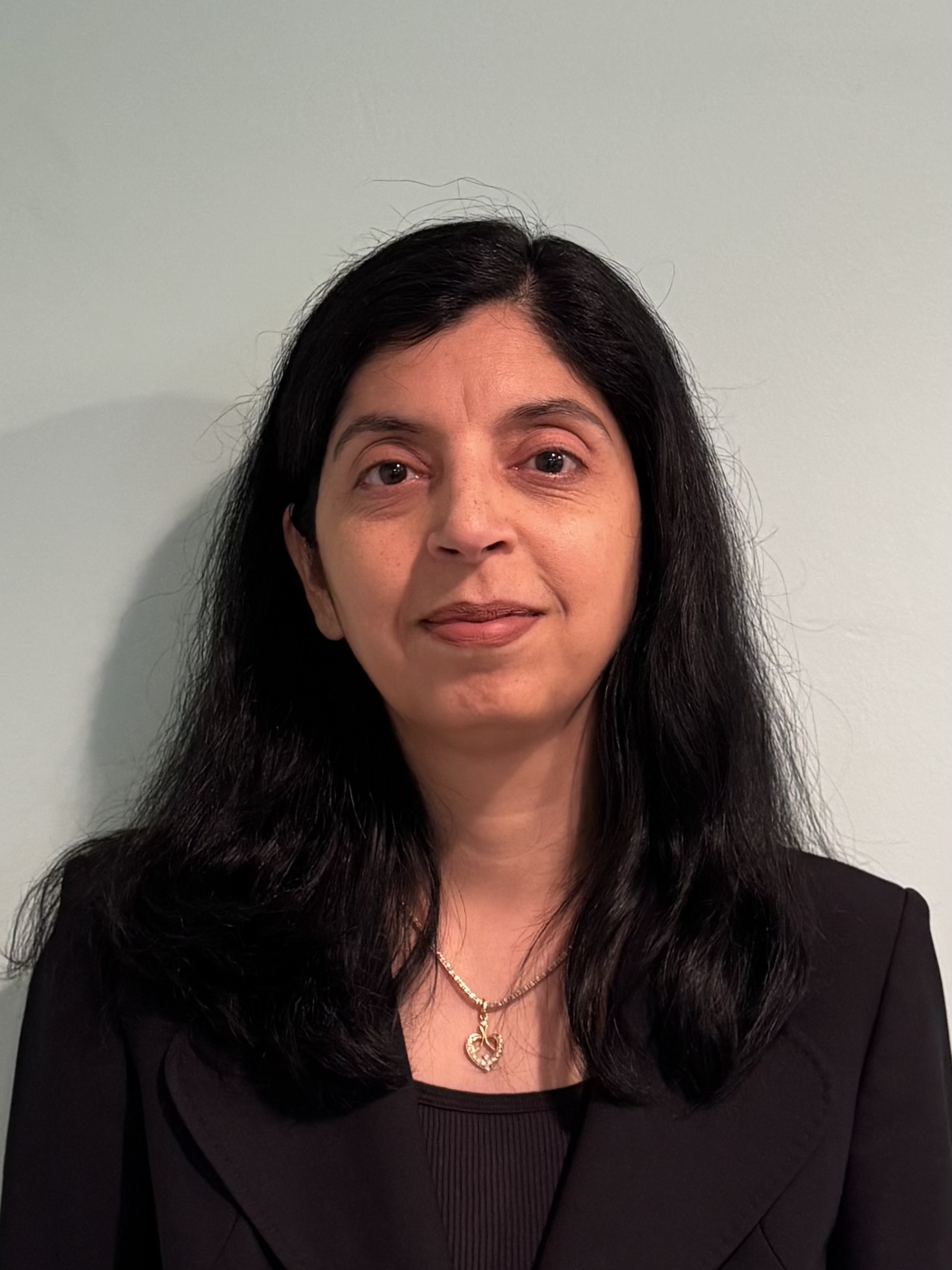
In this episode, Ritu Narula, SVP Finance and Treasurer at Hilco Global, shares how she has built centralized, high-performing treasury and finance teams across geographies and cultures by focusing on what actually works in decentralized organizations.
Listen on:



Featuring

About this episode
Ritu Narula is the Senior Vice President of Finance and Treasurer at Hilco Global, a global financial services firm specializing in asset valuation, advisory, and monetization. With over 20 years of experience, including 18 years at Stericycle, Ritu has led treasury transformations across diverse sectors and geographies. From scaling global teams to managing multi-billion dollar deals, she brings a unique blend of hands-on knowledge and strategic leadership.
In this candid conversation, Ritu walks us through her journey from a one-person treasury team to becoming a global finance leader. She shares actionable insights on building centralized treasury operations in decentralized businesses, balancing speed with controls, managing through stress, and adapting leadership styles across cultures.
What We Cover in This Episode:
- Transitioning from a decentralized to a centralized treasury model
- Leading treasury through rapid M&A activity and international expansion
- The difference between public and private company treasury structures
- Building trust and credibility in new roles and new cultures
- Creating shared services from scratch and integrating global operations
- Lessons in situational leadership and letting go of control
- Treasury technology: from Excel chaos to automation and analytics
- Cultural nuances in global banking and regional operations
- Training and mentoring the next generation of finance professionals
You can connect with Ritu Narula on LinkedIn.
—
🎙️ Subscribe to the Treasury Career Corner podcast – Never miss an episode! Subscribe on your favourite platform:
CLICK HERE for 🎧Spotify Podcasts
CLICK HERE for 🍏Apple Podcasts
📊 Managing short-term cash and investments – Without the right technology is a huge risk for modern treasurers. Tradeweb changes that!
🎓 Save $150 on CTP & FPAC– Exclusive discounts for treasury professionals – thanks to our trusted partners.
🧠 Leadership Under Pressure – Practical tools and coaching that work – from the team at Gazing Leadership
🧩 What if your whole team had one clear view of your group structure – Fuseable makes it happen
🔐 Managing signatory lists manually? Cygnetise gives treasury teams a smarter, safer way
👉 FIND OUT MORE HERE https://treasuryrecruitment.com/partners/
Mike Richards, CEO, The Treasury Recruitment Company: This week’s guest is Ritu Naula, the SVP and Treasurer at Hilco Global. She’s an amazing treasury leader who’s built and led teams across a number of different organizations. But before we get into the full episode, here are a few short clips to give you a flavor of what we covered on today’s show.
Ritu Narula, SVP Finance and Treasurer at Hilco Global: I think one key thing that I learned is.
Ritu Narula: You walk into a job after spending so many years at one place, you think you know everything and, and you have to put that mindset away and really think about it as I’m going into a new place. Sure. I’m a professional and I know how treasury should work. But that said, treasury, as agnostic as it is from a industry perspective, the needs and requirements of a company are different.
Ritu Narula: So I think you need to come in with an open mind to learn the company and the business first, and then be able to assess the state and then see if any changes are needed to be made. I think one of the biggest things that I’ve learned over the years is ease off. Give others a chance, watch over it, but don’t try and jump in and do everything yourselves.
Ritu Narula: I think it is really important for our larger groups to learn how to do things, but also that we have to trust them and not try to control things and make sure that they’re done exactly the way you’re supposed to do. I think as you are going into work, don’t think about all the 50 things that you’re going to try and accomplish.
Ritu Narula: Focus on the couple things that are absolutely critical. Hopefully you get those done, but today’s treasury groups are such where it’s constant move, move, and things come from all over the place. Just try and focus on one or two things. No one can accomplish too many things at the same time. I always have these long lists and I’ve started to learn that.
Ritu Narula: If you can get the top two ones, consider yourself. It was a successful day.
Mike Richards: Welcome to this week’s Treasury Career Corner podcast, where I interview treasury professionals about their treasury careers. Each and every week, I’ll talk to treasurers about how they build their careers, where they are now, where they see both themselves and the treasury profession. Going to next, let’s get on with the show.
Mike Richards: In this week’s show, I’m joined by Ritu Narula. SVP Finance and Treasurer at Hillco Global. Hillco Global is the world’s preeminent authority on maximizing the value of assets for both healthy and distressed companies. They provide a comprehensive range of financial services that will leverage a unique blend of deep restructuring and advisory experience in combination with Capital Solutions Principle investings through their merchant banking capabilities.
Mike Richards: We’ve known each other for many years since your data Stericycle of things. If we go back to the beginning. Finance and how you then discover the wonderful world there. It’s treasury. Over to you.
Ritu Narula: Uh, sure. Thank you Mike, and thank you for having me on this show. It’s a pleasure. I started my career in the futures clearinghouse companies.
Ritu Narula: I was at Rand Financial. Then I moved to Main Financial when I started my career. Really enjoyed learning about a futures clearing company. I was very. Fortunate and it was a smaller firm. I got the opportunity to cross train with someone who was doing treasury, and when he left, a year and a half later, I was able to step into treasury and I absolutely loved it and I was fortunate enough to then move into man financial.
Ritu Narula: And continued my career in Treasury. I guess that was the start, and I never looked back. It’s been a wonderful career that I’ve had from Man Financial. I moved to Cozy, which is a restaurant chain. Spent a few years there and then I moved to Stericycle, where I spent a big chunk of my career. Learned a lot.
Ritu Narula: I was fortunate enough to take it from Treasury to. Shared services to risk management, to investor relations and stock administration. A lot I learned there, and after Stericycle got sold to Waste Management in 2024, I moved to Hilco. As the SVP Finance,
Mike Richards: as you say, let’s dive into Stericycle because you were therefore quite unusually for 18 years.
Mike Richards: Who are they or who were they at the time when you joined them? What was the state of Treasury as you walked in the door? And then talk us through the run of Treasury over that time.
Ritu Narula: Sure. Recycle, when I joined was a relatively smaller company. It was a publicly traded company. It was in medical waste management and was growing when I joined.
Ritu Narula: It was. Perhaps about 700 million or so in revenue in three or four country. They were like so acquisitive. We would do 20 to 30 acquisitions a year. Wow. More or less. They were all tuck in deals, so relatively easier to complete, but their volume of deals was immense. We slowly expanded into different countries.
Ritu Narula: We went into Latin America, we went into Europe, into Asia, South Africa, the UA Singapore, South Korea, lots of countries, a lot of exposure. I was fortunate enough to be able to get into each country, how to place their treasury and continue to grow. We created regional treasury centers. We created a centralized treasury team, and over years just.
Ritu Narula: Kept expanding and towards the end we were all centralized and all treasury based outta the us covering pretty much 27 countries at the most because of the growth of the company, I got a lot of opportunity to learn the wider finance area during my tenure there. I spent a lot of time learning risk management.
Ritu Narula: I was overseeing that. I had stock administration and I was overseeing all of the analytics, whether you should issue options, RSUs, PSUs. Then over the years, I pivoted towards taking over accounts payable, making that global travel and expense implementing ERPs. We did SAPS four haa. In our North America region, we implemented Microsoft Dynamics.
Ritu Narula: And then in the last few years of my career, I spent an extensive amount of time on investor relations and helping and supporting manage that, managing that with my CFO. One of the reasons I stayed there that long is because there was never a dull moment. There was always learning. I continued to grow and being the treasurer of the company.
Ritu Narula: Along with that, I also became a finance leader having a breadth of experience across finance.
Mike Richards: And then, let me just jump in. I recently had the treasurer for Ingersol Rand, uh, Bert Jameson on the show. And he talked in a similar way that they did. 18 acquisitions last year and the 20th, the year before, it was like, wow.
Mike Richards: So you have a playbook, right? And he was like, yeah, we really have to double down on that, make sure it’s accurate. He has a bigger team to do that. But you, as you said, you started as a sole contributor. What was that like for you in the early days and how did make that work?
Ritu Narula: So in the early days, it was just me, but that also meant that the accounting team.
Ritu Narula: Was able to support from a treasury perspective, so we had payments that were being done by other groups. We had support for treasury. All of the administrative support that I was able to get from the larger finance team. As the company grew, I was able to start to hire more people and start to build a group a little bit more.
Ritu Narula: Initially when I started, it was primarily North America. Then over time we started to take over everything, but it was a lot of roll up your sleeves and a lot of building the processes. I think it was such a great experience because when you start from scratch and you learn how each and every process from ground up needs to be built and worked as a leader, when you get to my role as a treasurer.
Ritu Narula: I am really able to help my team and mentor them because I actually understand the Nitty team, you
Mike Richards: did it, you, you were there doing the blocking and tackling.
Ritu Narula: Exactly. And so I think that’s an invaluable experience that when you’ve been able to create processes, work them. It helps when you are building your teams to be able to coach them and mentor them and also then learn from them to continue to improve the processes.
Ritu Narula: Yeah. Back to your question on how was, it was a smaller company then it was growing. We had a playbook. To your point, as you just said, we did a lot of deals. Our m and a team was really strong, but I think the key is when you are doing these kind of deals, you have to be in lockstep. With the M and a team so you can plan tackle when the FI funding needs to be ready.
Ritu Narula: The deal doesn’t end there. Once it’s funded and the acquisition is complete, it is a long process after that to make sure everything is properly integrated. ’cause if you don’t, then you have all of these bank accounts, all these lines of credit, just all over the place, then things become much more difficult.
Ritu Narula: So, to your point, there has to be a playbook from getting the deal done. To afterwards to integrate the deal. Yeah.
Mike Richards: And then again, you talked about the getting down in the detail and helping the team and things like that, but when did it change for you? When were you there and was there points when your role evolved?
Mike Richards: It became fundamentally different from when you’d come in. You did all that stuff and you were running it all and things like that, but then you’re suddenly moving more into a coach or leader. When was that? When was that point and how did it change?
Ritu Narula: So over the years, it’s kept building. Yeah. I took over risk management within the first couple of years, and so I was overseeing that by then.
Ritu Narula: Then I started to hire analysts and managers to be able to help as the area expanded. Then I think the pivotal point came in around 20 14, 20 15 when we, when Stericycle did the acquisition of Shredded, which is a document destruction company, which was a pretty large company and a very large acquisition for that had never done such a big deal before.
Ritu Narula: We raised a humongous amount of funding at that point for the company. It also expanded our geographical presence substantially. That was the pivotal point where I was able to then hire more people in the treasury team to oversee all of our international operations, but then also be able to have a dedicated group that just all of international.
Ritu Narula: But at the same time, we had stock administration as well. So the team kept developing, but that was the crucial point, which kind of changed us from being. Focused on treasury, more North America, just providing guidance to the rest of the regions, to actually taking over and creating a centralized group.
Ritu Narula: And that was when I took a larger role. I had been the treasurer for Steady Cycle pretty much throughout, but that elevated my role to be able to become more of that leader across the board globally, rather than just a focus on an advisor. The national regions.
Mike Richards: And were there leadership challenges you perhaps didn’t plan for or didn’t expect along the way?
Ritu Narula: I think one of the biggest things as you are in treasury or any really group and you’re trying to expand from your presence in a region to across the board globally. To make a centralized treasury team, the biggest challenge is convincing the other regions who are so used to having control over their own processes and doing things their own way.
Ritu Narula: Not that they’re wrong, but it’s just their way, and every country has its own culture, their own way of doing things. I think the biggest challenge is. Convincing everyone that in spite of the control being changed or the management being changed to be centralized processes will not. Yeah, will actually improve.
Ritu Narula: The efficiency will actually go up. That, I think is the biggest thing, is to build those relationships with each and every one of your finance partners, to be able to convince them and to make sure that you’re collaborating with them to be able to create this team. That is what will help fight against those challenges.
Ritu Narula: We built really good relationships. It all came with challenges, of course, but I think the key is to chip away and make sure that everyone has their own say and take their input. ’cause the reality is. We don’t know everything. North America is so different than Europe. It’s so different than Asia. And as you talk to different people, the strategies and the way that you work with them is also very different.
Ritu Narula: But to be able to collaborate and make sure that they are getting. Their inputs because they know more than we do of those regions is really critical. It all came with its challenges, but we were able to build a very strong team, and really the key was to build the trust.
Mike Richards: Yeah. And then. You made the move more recently.
Mike Richards: Let’s bring it up today. ’cause you are a public company now. What’s your role or what’s bring us up today?
Ritu Narula: Sure. So I left Stericycle and I joined Hilco, which is a private company though recently in the last about six months, it has been acquired by a public company. It’s a Japanese company. It’s the US arm.
Ritu Narula: That acquired Hilco. It a very different industry than what I was into, so I actually was really intrigued by it because I get to learn so much on the financial services side and but then spent 18 years in an industrials firm. So very different. Very interesting. What attracted me to the role was the opportunity to.
Ritu Narula: To really create a global treasury team, as Hilco knew, it was pivoting towards a new investor where we would need to have processes and controls in a more centralized environment. And I’d done so much at Stericycle. I, I took this as an opportunity to redo it and learning from the miss. Stakes and make it a, there’s no perfect thing, but with continuous improvement,
Mike Richards: yeah.
Ritu Narula: I was able to get in, start to create a globalized team where in the process of now making sure Europe, which Hilco is in, is completely integrated and is under global treasury management. But more than treasury, I would, the accounts payable, accounts receivable, all of the shared services were very decentralized.
Ritu Narula: Even in the US it was decentralized within. Each business. So I was able to go in, within the first four months, create a shared services team and centralized all of those operations. And from a treasury perspective, having control over AP AR really helps in working capital management. So it’s really a, is a very holistic approach.
Ritu Narula: So that’s my, that’s been the most exciting part, is I had done it before. I got a chance to actually create the team from scratch
Mike Richards: and when, again, I, I’ve gotta, I wanna be sensitive to the fact there’s private companies, so we can’t share too much. But is there, what differences surprise you? Approval processes, risk and controls you’ve been in?
Mike Richards: Highly regulated public, and now it’s private. What’s that been like?
Ritu Narula: I came from a public company, a highly regimented company, a company that had actually gone through material weaknesses. And so our controls, our audit back at Stericycle were immense. It literally at times felt like we were choked because of the controls we had on each and every process.
Ritu Narula: But that’s how I was trained. So I come in into Hilco and. It’s not the kind of controlled environment that I was used to. Again, no right or wrong, I would just say it’s in some ways very refreshing not to have to cross every t and dot every I and make sure that you put your initials on every number that you have looked.
Ritu Narula: Debt and every page that you’ve reviewed. The good thing was approvals happen fairly quickly. Things could be done very quickly while at Stericycle. It would take a while before you would get all the approvals and all the controls matched up before things could get done. However, we were moving towards a public company standard because, because we were acquired, and so it gave us the opportunity to move from.
Ritu Narula: Less controls to more controls. Yeah, which we are still building. There are differences and there’s some really good things about an entrepreneurial environment, which I found really refreshing. You can actually get things done fairly quickly, but then my public company background made me constantly go, no, we need to put in more controls here.
Ritu Narula: Yeah. We need to have a more regimented process. I think that has really helped us get towards when we will have SOX testing and audit start to review the processes.
Mike Richards: You touched on there when we were talking about Stericycle in particular, that you’ve got the, a lot of capital markets experience and you got facilities, bonds, equities, all a lot.
Mike Richards: What are the, what’s been the most stressful if you reflect back over your time throughout what have been some of the most stressful times and how do you stay calm in those situations?
Ritu Narula: So Stericycle went through a huge period of growth, which was so fun ’cause we were constantly trying to manage the m and a, the acquisition process, and continue to grow.
Ritu Narula: We were raising debt, looking at different alternatives of financing, dealing with the rating agencies. When we did the acquisition of Shredded, we raised almost $3 billion of financing and did all the, A bond, a large credit facility, a term loan, a mandatory convertible. It was stressful because at that time I didn’t really have a team.
Ritu Narula: Yeah, I was as the treasurer, it was you. I was pretty much doing the entire thing. The entire financing I handled pretty much all by myself. Of course, there was support, but from a treasury perspective, it was just me. But from there on, as the company went into material weaknesses, as the company also went into some financial distress, we were starting to look to divest.
Ritu Narula: What that did was. As a public company, we were obviously reporting our covenants and so we were constantly, uh, trying to make our leverage covenant. During that timeframe, I think we did about six to seven different amendments within a period of two years. That was probably the most stressful because going back to the banks and to your bond holders to continue to ask for a covenant waiver.
Mike Richards: Yeah,
Ritu Narula: that said it was stressful. What that did. I, I feel it was such a huge learning experience is because you learn how to deal with these kind of situations, which is an invaluable lesson. Everyone can do great in good times. How do you persevere when things are a little more rough? Is what I learned over those two year, three year period when we were constantly, I think it was every second quarter that we were looking to do an amen.
Mike Richards: Yeah. And just looking there, you and you talked about. This global experience and it expanded to from North America, right. The way through. What’s been the, what mistakes do you think companies make when they look at this global treasury? You, you’ve seen it firsthand. You’ve gone from local, domestic treasury, US treasury to then global treasury.
Mike Richards: So what mistakes do you think, or assumptions do you think companies need to avoid?
Ritu Narula: I think the biggest thing is the way US operates. Our culture, our mindset is very different from every country that you work with. You really need to understand the cultural aspects of every region, every country you are going to go into.
Ritu Narula: The way US operates is not the way Spain operates. It’s not the way South Korea operates or Latin America. People talk differently. People use different words. They can take the way we may ask for things as we are being overly directive. You have to really understand the cultural backgrounds of each region that you’re dealing with, the people that you’re dealing with, that I think is most critical.
Ritu Narula: I realize that, or as being an American very used to being. Very straightforward, very directive. It doesn’t work everywhere, so you have to take a step back, understand who you’re talking to and what is it that’s appropriate for them, so that things actually go smoothly and not go sideways.
Mike Richards: Yeah,
Ritu Narula: because that’s not the intent.
Ritu Narula: I think we just need to learn and appreciate the cultural differences and operate accordingly. That I think, is one of the most critical things. If we are a US-based company, it still doesn’t mean that every subsidiary internationally that we have. It’s our role to just tell them how to do things. It really is to understand their needs and then work with them to make sure that all those needs are covered and really go in and understand the markets and the banking and everything proactively so that you can be intelligent about it and then learn from them and then put in place processes.
Ritu Narula: As I can tell you, even dealing with banks. US versus Europe is very different.
Mike Richards: Yeah.
Ritu Narula: Where you go into Spain, you go into Romania, those countries completely work differently, so you need to really learn
Mike Richards: processes. What do you mean by that? How are they different? What’s the, again, if someone’s doing that.
Mike Richards: What do they need to think about?
Ritu Narula: The biggest difference, if you look at it, the US uses checks so highly. Yeah. The biggest thing is they don’t use log boxes because they are way ahead of us and they are more into the electronic payment mode. But then there are the. Nuances of how the banking systems work.
Ritu Narula: We can pay taxes online. We can go on to the state tax system and just pay them online and any bank. Some of ’em, they have designated providers, designated banks that you can only use. You can only use local banks to make. Tax type of payments versus in the US that’s not the case. I go in and I tell the, the folks in Romania, you’re going to use one of our large US centric banks.
Ritu Narula: Well, they won’t be able to do everything because some of those payments cannot actually even be processed through those global banks because they have to do it through local. So those are the kind of things that are different, leave the cultural aspects apart, but just some of the banking things are different.
Mike Richards: Yeah, that’s great. And you and I spoke before we were talking about technology a little bit and we’re moving into that area. You obviously, you’ve led rollouts of big systems. System implementation and obviously getting people to change their behavior, but where do you see technology, it’s a buzzword at the moment obviously, but Monnet, what have you seen over the time, over the past, maybe the past few years, or in your career
Ritu Narula: at Steady Cycle?
Ritu Narula: We went from all Excel. We hadn’t, we had ERPs, but we didn’t really actually use much to pull together cash flows. Debt management Excel was the main go-to. From there, we went into implementing an ERP. Through the ERP, we automated a lot of our processes Through our add-ons, our consolidation systems, we were able to.
Ritu Narula: Automate our daily cash flow processes as well. It wasn’t fully automated. We didn’t have a treasury workstation, but as much automation as can be done, we were able to do that. What, where someone can spend hours, especially if you’re a global company, just pulling together a daily cash position to now you can get all these BAI files that are feeding into your system, which can then spit.
Ritu Narula: The data and instantaneous into a cash position, which can be done within an hour. So we literally went from, my team was spending half a day trying to pull this together to less than an hour to put everything. And the cool thing was we were able to get a treasury dashboard, global dashboard to our management team every day from there too.
Ritu Narula: What I see is there are companies that are, that have all the bells and whistles. They have all the technology to small to mid-size companies that are still very heavily excel dependent. And what as good as Excel is, I’m sure none of us can, none of us treasury finance professionals can live without excel.
Ritu Narula: As cool as it is when the data, the amount of data gets. Immense. It becomes more difficult to manage because the chances of error are a whole lot more. Technology is really important. If we have the systems, it saves so much time. It doesn’t take the jobs away, but it makes the jobs move from data entry to actual analytics, to actual spending quality work in putting together metrics, KPIs, et cetera.
Mike Richards: And then with yourself more recently with your roles and things like that, how have you, you did 18 years and you earned the credibility, or people knew, you knew, look and trust you around the group. You come into a new role. How did you establish your brand, if you like, in your credibility with new teams, new group of banks, stakeholders?
Mike Richards: You know what? How have you done it?
Ritu Narula: It’s very easy when you are at a company for many years because you’ve just learned everything. You have a lot of historical knowledge. Everyone knows you. It becomes really easy, and then you go into a new place and you are like, oh gosh, I know nothing here. I understand treasury.
Ritu Narula: I understand, understand finance. But new business, new stakeholders, just different culture of a company. It took me a few months to go meet with all the business stakeholders, it meet with all our bankers, try to understand the business, all the different things that the company had. And then assess and see what were the different things that I was going to be able to do.
Ritu Narula: Of course, what is really and absolutely critically needed is the support of your executive leadership team. Our CFO knew my background. He gave me a free reign to implement and improve processes, so that helped a lot and that is absolutely a critical point. Meet with the bankers. Help them understand that what your background is, understand what the company is doing and how you’re going to pivot.
Ritu Narula: And so you need to pivot and be able to learn the needs and requirements of a company that is a private company, that’s a, that’s in a different business. Then what my prior company was.
Mike Richards: Um, what’s most effective, again, if someone else is making that move, what would you say that they need to think about?
Ritu Narula: I think one key thing that I learned is. You walk into a job after spending so many years at one place, you think you know everything and, and you have to put that mindset away and really think about it as I’m going into a new place. Sure. I’m a professional and I know how treasury should work. But that said, treasury, as agnostic as it is from a industry perspective, the needs and requirements of a company are different.
Ritu Narula: So I think you need to come in with an open mind to learn the company and the business first, and then be able to assess the state and then see if any changes are needed to be made. I think you have to have a very open mind and embrace the good and try to change what can be improved.
Mike Richards: Yeah. And you look, we’ve got the new generation coming through, or learning finance and technology and FinTech and everything else.
Mike Richards: What do you think is the most, what’s the biggest opportunity or what excites you most if you’re not?
Ritu Narula: I think what I see is that the new generation is just so much better with technology than more seasoned people. I think they are, technology comes naturally to them, which is very critical in today’s world of ai.
Ritu Narula: Today’s world of all these automations. Being able to make your processes more efficient. I think the young generation is coming in and being able to do that. Understanding the technology is a key part of it. What is really critical for the new generation is the hunger to learn. The more you want to learn, the better you will be, the better place you will be for your next role in subsequent promotions and growth.
Ritu Narula: Yeah, we are talking about finance ’cause we are finance professionals, but really in any age.
Mike Richards: Are there any gaps? Where do you think they’re not perhaps as strong or that you and I from a treasury recruiter, obviously we’ve got feedback from clients saying that they’re not as strong in this area. That’s something they need to build.
Ritu Narula: I wouldn’t anyone that’s coming right outta school. I think part of it is that we as leaders need to make sure that we provide proper training. They come from school. I have young children as well who’ve just gradu. One has just graduated from college. They know. A lot academically, but corporations work differently.
Mike Richards: Hmm.
Ritu Narula: And I think that’s part of where the management needs to make sure that the young people who are coming into the workforce, they understand and we give them the time to, to learn that. I think the question is, did we actually train them enough? And that’s part of what I have seen over my career is.
Ritu Narula: Young people come in and they’re coming into an organization, it’s a different organization, or they’re joining the workforce for the first time. Are we giving them enough training? Are we actually helping them explain the big picture so they can efficiently do their job? I think that’s critical. It’s less on people coming in and it’s more on the leaders of the organization that are hiring them, that we do right by them and equip them.
Ritu Narula: With the right amount of training and mentorship so they can be successful.
Mike Richards: Yeah. So we’re talking about them. Let’s talk about you for a moment. If you are now reflecting back, this is a good thing we do on the podcast. If you were to go back and give yourself any advice, now you’re reflecting back on 20 plus years, what would it be?
Mike Richards: What sort of things do you think do’s and don’ts? I talked to Sherry Nicole speaks a while ago, and she just said. One of her bits was, don’t worry about it. At the time, she was really pushing herself and always worried about it, and now she looks back and goes, she’s not worried about that so much. She was like, why did not worry about it.
Ritu Narula: That actually is a great advice. Yeah. That she gave. Every time I took over a new area, I was super excited about it, but with the new area that I took over, there were a lot of challenges. There was things that needed to be made efficient and I was constantly stressed out about, oh gosh, how am I going to do this?
Ritu Narula: This is all new to me. I think it is a great advice to say give yourself a break. Be kind to yourself. And but that said. Roll up your sleeves and learn. I think one of the most critical things that I learned over the years is you can’t just manage the situation requires use situational leadership.
Ritu Narula: Sometimes all you need is roll up your sleeves and sometimes you need to be completely hands off and give others an opportunity to do what is needed. I think one of the things that I have learned the hard way is also I get overexcited about things. And I tend to jump in and try to just do them because I want to control them.
Ritu Narula: And I think one of the biggest things that I’ve learned over the years is. Ease off. Give others a chance, watch over it, but don’t try and jump in and do everything yourselves. I think it is really important for our larger groups to learn how to do things, but also that we have to trust them and not try to control things and make sure that they’re done exactly the way you’re supposed to do.
Ritu Narula: That was a learning experience for me for the first few years of my career. It’s okay to delegate. I was an individual contributor for many years and I got used to just taking care of everything. And so when you hire people, you have to learn to say, okay, it’s okay that I don’t have full control.
Mike Richards: Love it.
Mike Richards: So we’ll put your LinkedIn details in the show notes so people can connect to you. And I know that I’ll explode there and that’s really good. What takeaways would you give to people you know from maybe. For the more junior guys, we’ve touched on that a little bit already, which is great. When someone’s sitting having their, they’re listening to this, they’ve driven into work on Friday morning, they’re having their coffee.
Ritu Narula: I think as you are going into work, don’t think about all the 50 things that you’re going to try and accomplish. Focus on the couple things that are absolutely critical. Hopefully you get those done, but today’s treasury groups are such where it’s constant move, move, and things come from all over the place.
Ritu Narula: Just try and focus on one or two things. No one can accomplish too many things at the same time. I always have these long lists and I’ve started to learn that. If you can get the top two ones, consider yourself. It was a successful day.
Mike Richards: Yeah. And then with yourself just, it’s an interesting one actually, ’cause I’m talking to Tony from Tony Massone from Amazon.
Mike Richards: Soon we’re having a catch up. And I remember you, that reminded me of the podcast I had with him and he talked about this and it’s also done out on a couple of his stage where he says, win the day. And that’s, you say it’s not about having a hundred things on your to-do list, it’s about having those one or two things that are gonna move the needle.
Mike Richards: So thank you very much. Looking forward to seeing you very soon when it’s a bit warmer in Chicago. As you said earlier, it’s been very cold. Wait, I will bring a coat and some gloves.
Ritu Narula: Mike, it was a pleasure and I appreciate you inviting me to the podcast.
Mike Richards: Thank you. Amazing.
Mike Richards: Before you finish today’s show, a quick reminder. You can earn CTP credits just by listening to the podcast. Listen to the show. Take a short online quiz, pass the quiz, gotta do that, and then we’ll send you CTP credits. This means you can recertify, which I know you have to do every two years, and lots of people do it.
Mike Richards: It’s so convenient. They do it whilst they’re commuting. There might be at the gym walking the dog. We are there to help you. It’s designed to fit around you and your real treasury jobs. Not add more work to it. If you are already listening, you might as well get the credit for it. All you need to do head to the episode page, take the quiz, and as I say, as long as you pass, we will send you the CTP credits.
Mike Richards: I know it’s all part of the service. Thanks again for listening. We appreciate your support. I’ll see you soon. Thanks.
- Decentralized isn’t broken – until it scales. Learn the signs and structure needed to centralize treasury without disrupting local operations.
- Strong treasury leadership is situational. Sometimes it means rolling up your sleeves; other times, it means stepping back.
- Public vs. private treasury = process vs. speed. Ritu explains how to find the sweet spot between control and agility.
- Cultural fluency matters. One-size-fits-all leadership doesn’t work across borders – collaboration and respect are key.
- Technology doesn’t replace people – it frees them. Smart automation improves accuracy and shifts the focus to higher-value analytics.
- Start new roles with humility. Walk in as a learner, not a fixer. Understanding the business is step one.
🎧 Earn CTP & FPAC Credits by Listening to the Podcast
Whether you’re at the gym, on your commute, or walking the dog – you can now make your podcast time count toward your professional development.
We’re thrilled to share that Treasury Career Corner podcast episodes now qualify for CTP and FPAC recertification credits through the AFP’s Independent Study category.
How It Works:
- Each episode comes with a short multiple-choice quiz
- Score 80% or higher and you’ll receive your credit confirmation
- You track and submit your credits to AFP directly – nice and simple
➡️ The longer the episode, the more credits you can earn:
- 30-minute episode = 0.6 credits
- 45-minute episode = 0.9 credits
- 60-minute episode = 1.2 credits
No filler. No fluff. Just real conversations with top treasury leaders on strategy, leadership, risk, tech, and team building - everything AFP expects at an intermediate to advanced level.
🧠 Quick Facts:
- 📝 Quizzes are 6 to 10 multiple choice questions
- 🎯 You need to get at least 80% to pass
- 📨 We’ll send confirmation - you log the credit with AFP
- 💼 You can include this as part of your recertification record
NOTE: In line with AFP compliance requirements, no more than two quizzes may be completed per day.
